Introduction to Homemade Pizza Dough
Making your own homemade pizza dough is not only a fun kitchen project but also an opportunity to elevate your pizza night into something extraordinary. Have you ever craved the perfect slice but found that store-bought options just don’t cut it? You’re not alone! Many food lovers are discovering that creating pizza dough from scratch can enhance the overall flavor and texture of their pizzas. According to a survey by the American Institute of Baking, 75% of people prefer homemade pizza to takeout.
Why Make Your Own Pizza Dough?
-
Quality Control: When you use homemade pizza dough, you have complete control over the ingredients. No preservatives or additives—just flour, water, yeast, and salt. Want to make it whole grain or gluten-free? You can! This flexibility means you can cater to your dietary preferences or restrictions.
-
Cost-Effective: Store-bought dough can be surprisingly expensive, especially when you’re feeding a crowd. Making your own is budget-friendly, and it allows you to make as much or as little as you need.
-
Flavor Explosion: There’s nothing quite like the taste of freshly-made dough. The aroma of yeast rising and the satisfaction of kneading the dough is an experience in itself. Fresh dough offers a texture and taste that pre-packaged options often lack. Did you know that dough made with fresh yeast typically has better flavor components than its dried counterparts?
-
Fun Activity: Getting hands-on in the kitchen can be a fantastic way to unwind after a busy week. Making your own homemade pizza dough can even be a fun date night or family bonding activity. Roll up your sleeves, get the kids involved, and see how everyone enjoys shaping their own pizzas.
For an excellent, in-depth guide to dough making, check out resources on culinary websites like Serious Eats or Bon Appétit which dive deeper into the science of baking and provide fantastic tips.
So, why wait? With just a few simple ingredients and a bit of time, you can whip up your own homemade pizza dough that will take your pizza game to new heights!
Ingredients for Homemade Pizza Dough
Creating homemade pizza dough is a rewarding way to bring your pizza night to another level. Simple ingredients come together to create the perfect base for all your favorite toppings. Here’s what you’ll need:
- All-Purpose Flour: About 2 ½ cups will give you that nice, chewy texture. You can also use bread flour for a slightly different consistency.
- Warm Water: 1 cup of warm (not hot) water is essential for activating the yeast. Aim for around 110°F to ensure the perfect rise.
- Active Dry Yeast: Just 1 packet (or 2¼ teaspoons) will work wonders in making your dough fluffy.
- Sugar: A teaspoon of sugar helps feed the yeast and enhance the crust’s flavor.
- Salt: About 1 teaspoon of salt adds essential flavor and balances the dough.
- Olive Oil: 2 tablespoons of this light oil will give your dough a delightful richness and help keep it moist.
For tips on where to find quality ingredients, check out Food Network’s guide on baking essentials. Remember, the process is half the fun, so enjoy experimenting with your homemade pizza dough!
Preparing Homemade Pizza Dough
Making homemade pizza dough is an art that anyone can master with a little practice. It’s a delightful process that leads to a delicious outcome, perfect for a movie night or casual dinner with friends. Let’s break down the steps together!
Activate the yeast
The first step in the pizza dough-making adventure is to activate the yeast. Yeast is what makes your dough rise and gives it that lovely airy texture. To get started:
- Warm about 1 cup of water until it’s lukewarm (around 100°F or 37°C).
- Sprinkle 2 teaspoons of active dry yeast over the surface.
- Add a teaspoon of sugar to feed the yeast.
Let this mixture sit for about 5-10 minutes until it becomes frothy. If it doesn’t foam, it may be a sign that your yeast is dead, and you’ll need to start over with fresh yeast. Yeast is the magic ingredient that gives you that perfect crust!
Mix the dry ingredients
While waiting for the yeast to do its thing, let’s prepare the dry ingredients. In a large mixing bowl, combine:
- 3 cups of all-purpose flour
- 2 teaspoons of salt
Mix these ingredients thoroughly. Salt is essential not only for flavor but also to slow down the yeast fermentation process, preventing your dough from rising too quickly.
You can also check out resources like the King Arthur Baking Company for expert tips on using flour effectively.
Combine wet and dry ingredients
Once your yeast is activated and frothy, it’s time to combine the wet and dry ingredients. Pour the yeast mixture into your bowl of flour and salt. You can also add a tablespoon of olive oil for richness. Using a wooden spoon or your hands, mix everything until it starts to come together.
Remember, it’s okay if the dough looks a little messy at first. That’s part of the fun! Just make sure everything is incorporated well.
Knead the dough
Now comes the exciting part: kneading! Transfer your dough onto a lightly floured surface. Knead the dough for about 8-10 minutes. You want to work it until it’s smooth and elastic. A good way to know you are done is when you can stretch it without it tearing.
Kneading helps develop the gluten, which gives your homemade pizza dough its structure. If needed, feel free to sprinkle a little bit of flour on your surface to keep the dough from sticking.
Let the dough rise
Once you’ve finished kneading, shape the dough into a ball and place it in a lightly greased bowl, turning it once to coat it. Cover it with a damp cloth or plastic wrap, then let it rise in a warm, draft-free area for about 1-2 hours or until it has doubled in size.
The rising step is crucial. It allows your dough to develop flavor and a soft texture, resulting in the perfect base for your toppings.
Punch down the dough
After the dough has risen, it’s time for a gentle punch down. This step releases any large air bubbles and redistributes the yeast throughout the dough. Simply press down on the dough with your knuckles and then knead it for another minute or two.
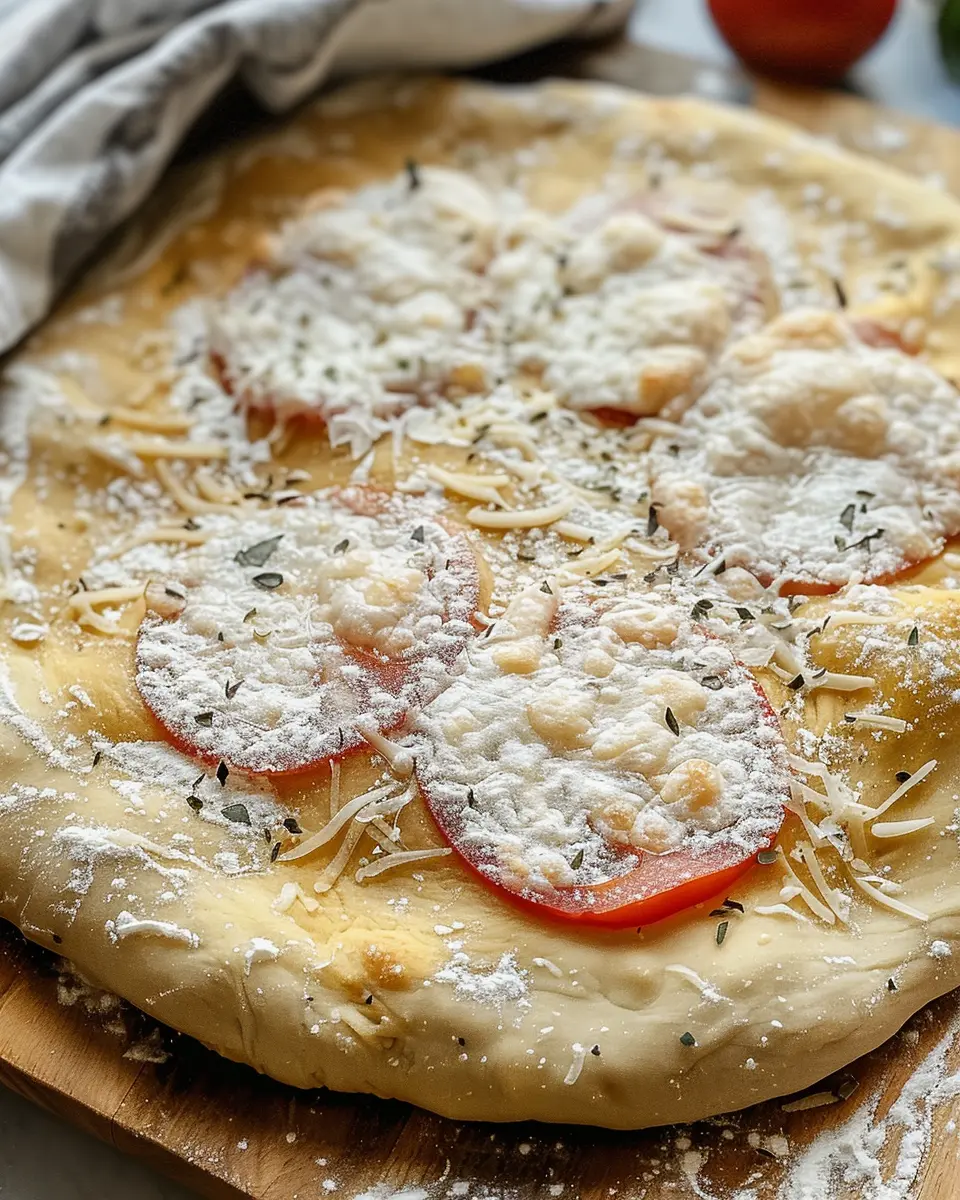
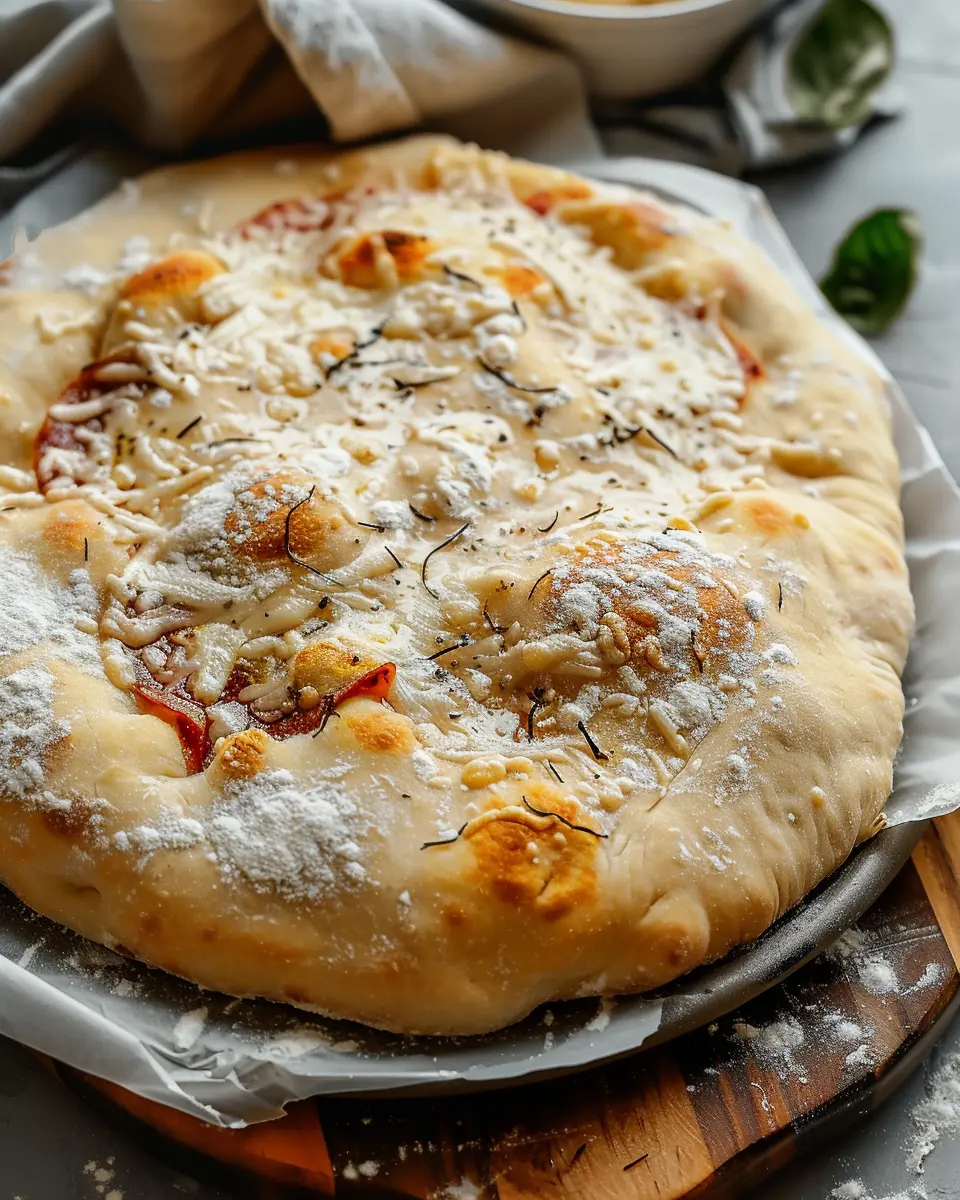
At this point, your homemade pizza dough is fully prepared and ready for shaping and topping! You can roll it out into your favorite pizza shape—whether that’s traditional round or an adventurous rectangular shape.
Feel free to explore different toppings like Turkey Bacon, Chicken Ham, or Beef to customize your pizza to your liking! Enjoy the fun, indulge your creativity, and savor the satisfaction of making something delicious from scratch.
Now, with your freshly made dough, you’re all set to craft an unforgettable homemade pizza experience. Happy cooking!
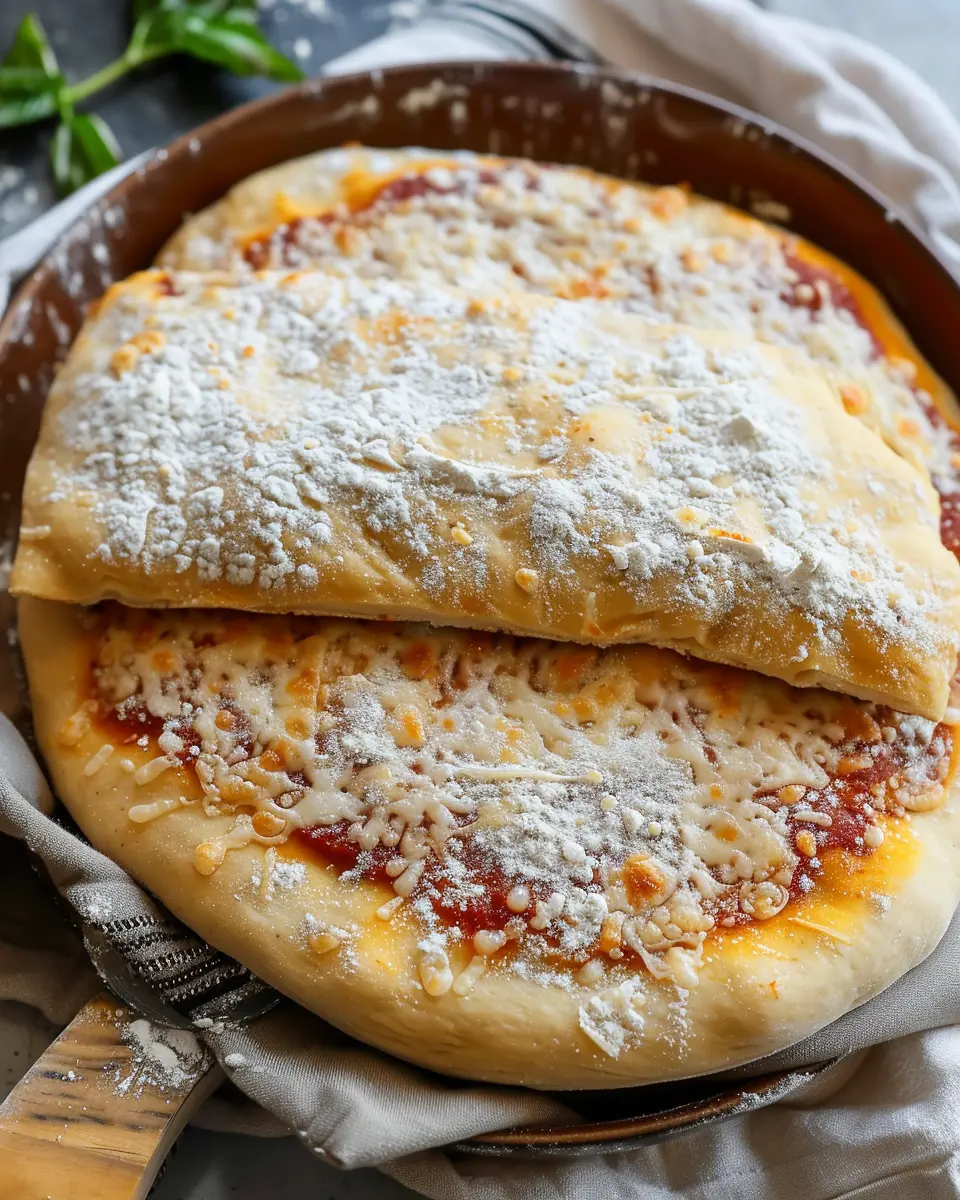
Variations on Homemade Pizza Dough
Crafting your own homemade pizza dough opens up a world of flavor and texture possibilities! Here are some exciting variations to keep your pizza nights fresh and engaging.
Whole Wheat Pizza Dough
Whole wheat pizza dough is a fantastic choice for the health-conscious. By swapping out white flour for whole wheat flour, you’ll benefit from added fiber and nutrients. The nutty flavor pairs perfectly with fresh toppings, making it a wholesome staple. Here’s how to get started:
- Ingredients: Whole wheat flour, active dry yeast, warm water, salt, and olive oil.
- Tip: Mix in a bit of vital wheat gluten if you find the dough a bit dense.
For a step-by-step guide on the nutritional benefits, check out this article from Healthline.
Gluten-Free Pizza Dough
If you’re looking for a gluten-free option, fear not! You can whip up a delightful gluten-free pizza dough easily. Using almond or chickpea flour can create a fantastic base that holds its own against traditional dough.
- Ingredients: Gluten-free flour blend, warm water, olive oil, yeast, and a bit of xanthan gum.
- Pro Tip: Let the dough rise a bit longer for improved texture.
For detailed gluten-free guidelines, visit Gluten-Free Living.
Spiced Herb Pizza Dough
Want to elevate your homemade pizza dough beyond the ordinary? Infuse it with flavors by adding spices and herbs into the mix. A blend of Italian herbs, garlic powder, and chili flakes can bring a new dimension to your crust.
- Ingredients: All-purpose flour, yeast, warm water, olive oil, dried Italian herbs, garlic powder, and salt.
- Suggestion: Experiment with different spice combinations for unique pizza experiences!
These variations not only diversify your pizza arsenal but also cater to various dietary preferences, keeping everyone happy at your dinner table. Happy baking!
Cooking Tips and Notes for Homemade Pizza Dough
Making homemade pizza dough can be a fun and rewarding experience, but there are some common pitfalls to watch out for.
Common Mistakes to Avoid
- Incorrect Measurements: Precision is key in baking. Always measure your ingredients accurately. Using a kitchen scale is a great way to ensure correct proportions, especially with flour.
- Overworking the Dough: Kneading is essential, but too much can lead to a tough crust. Aim for a smooth and elastic texture without going overboard.
- Timing Your Rise: Give your dough enough time to rise; patience will reward you with a fluffier crust.
Best Tools for Making Dough
Investing in the right tools can greatly enhance your homemade pizza dough-making experience.
- Mixing Bowl: A large, sturdy bowl can handle all the vigorous mixing.
- Dough Scraper: Perfect for portioning and handling sticky dough.
- Rolling Pin: Ensure an even crust thickness and make shaping easier.
For more tips, check out King Arthur Baking or Serious Eats for expert insights. With these tips in hand, you’ll be set to create a delicious pizza crust that will impress everyone!
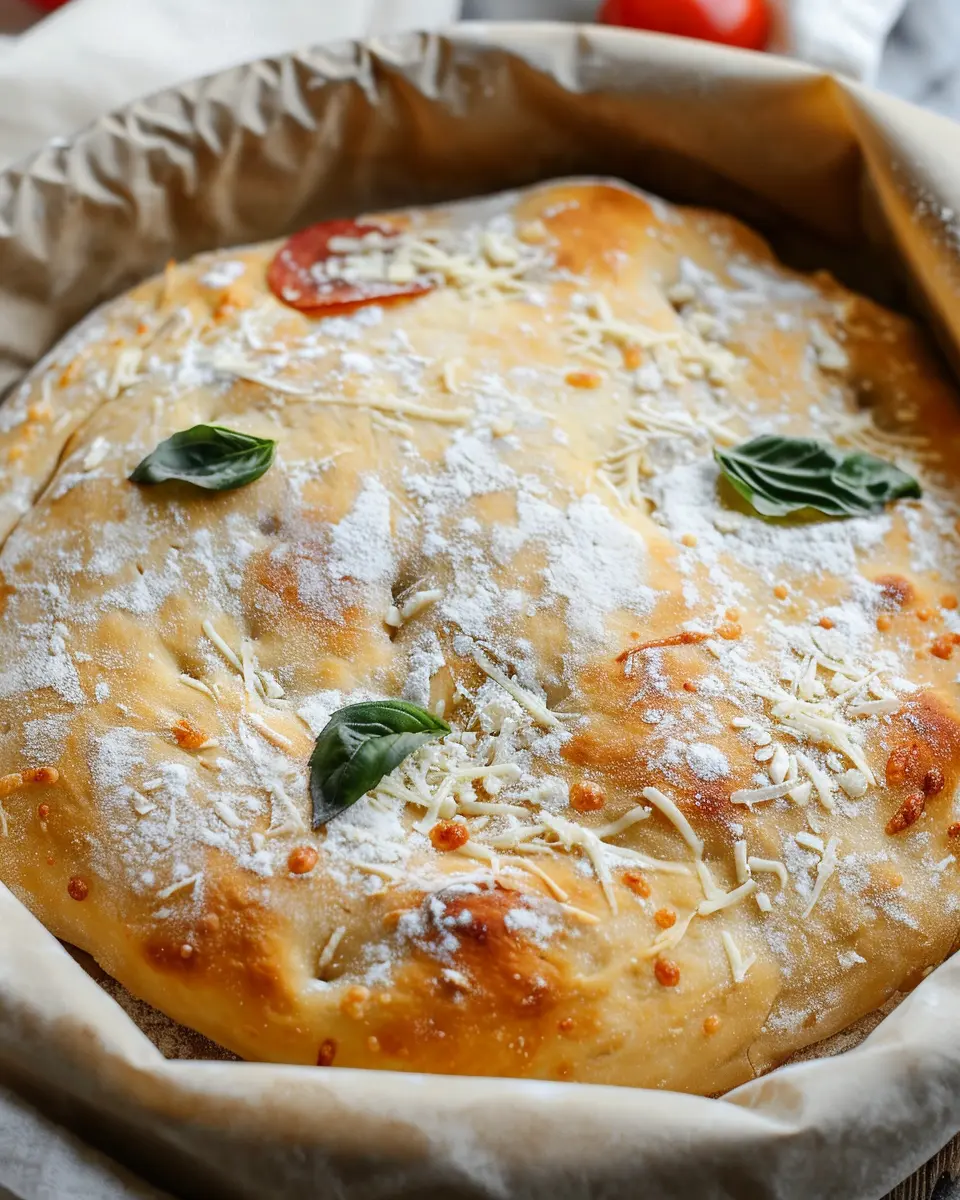
Serving Suggestions for Homemade Pizza Dough
When it comes to homemade pizza dough, the world is your oyster! Whether you’re a traditionalist or someone who loves experimenting, here are some delightful topping ideas that will elevate your pizza game.
Classic Margherita Pizza
You can’t go wrong with a Classic Margherita Pizza. Simply spread a layer of tomato sauce over your homemade pizza dough, top it with fresh mozzarella cheese, and sprinkle with fresh basil. A drizzle of extra virgin olive oil enhances the flavors, and a pinch of sea salt brings it all together.
Veggie-Loaded Pizza
For those who crave a plant-based option, a Veggie-Loaded Pizza is a fantastic choice. Pile on your favorite vegetables—think bell peppers, mushrooms, spinach, and red onions. Add a blend of mozzarella and feta cheese, and finish with a dash of oregano for an aromatic twist.
Meat Feast Pizza
If you’re in the mood for something heartier, a Meat Feast Pizza delivers. Use a combination of ground beef, pepperoni, and chicken ham for a protein-packed feast. Add a layer of cheese that melts beautifully, and you’ve got yourself a savory dinner worthy of any gathering.
These suggestions showcase just how versatile your homemade pizza dough can be. Want to learn more about toppings? Check out this guide on pizza toppings for more inspiration!
Time Breakdown for Homemade Pizza Dough
Preparation time
Making homemade pizza dough is straightforward and only takes about 10 to 15 minutes. Gather your ingredients, which typically include flour, yeast, salt, water, and olive oil. If you have a kitchen scale, it’s helpful to weigh your flour for precision. Don’t forget to think about the toppings; maybe slice some veggies, or cook that Turkey Bacon you’ve been meaning to use!
Rising time
The real magic happens during the rising time, which is around 1 to 2 hours. This is when the dough becomes light and airy—a crucial step for that perfect crust. If you’re tight on time, place the dough in a warm area or use a proofing box. Did you know that rising in a slightly warmer environment can speed this up? Check out resources on dough fermentation for more insights.
Total time
In total, you’re looking at roughly 1.5 to 2.5 hours before your homemade pizza dough is ready to stretch. Factor in some time to preheat your oven, and you’ll be just under the two-hour mark before a delicious pizza hits your table! Happy cooking and enjoy the process—it’s all about the love that goes into it!
Nutritional Facts for Homemade Pizza Dough
When you whip up your own homemade pizza dough, you’re not just in for a treat; you’re also embracing nutrition that can be tailored to your tastes. Let’s dive into the key nutritional facts that make your pizza-loving heart sing!
Calories
One serving of homemade pizza dough typically contains around 200-300 calories, depending on the ingredients you use. This means you can enjoy a slice without feeling guilty, especially when opting for whole grain flours or adding healthier toppings.
Protein
When it comes to protein, one serving offers about 7-10 grams. This not only helps keep you fuller longer but also supports muscle recovery—especially important if you’re living an active lifestyle. Pair your dough with toppings like turkey bacon or chicken ham to boost the protein even further!
Carbohydrates
As for carbohydrates, expect around 40-50 grams per serving. Carbs are essential for energy, making your homemade pizza dough a fantastic option to fuel up for your next adventure. Just remember, it’s all about balance—consider adding fresh veggies as toppings to increase fiber intake.
For more in-depth nutritional info, check out sites like NutritionData and USDA FoodData Central where you can explore how your ingredients stack up!
FAQs about Homemade Pizza Dough
Can I freeze homemade pizza dough?
Absolutely! Freezing homemade pizza dough is a great way to have fresh dough ready for your next pizza night without starting from scratch. Just shape the dough into a ball, lightly coat it with olive oil, and wrap it tightly in plastic wrap before placing it in a freezer-safe bag. It can be stored for up to three months. When you’re ready to use it, simply thaw it in the fridge overnight or let it sit at room temperature for about an hour before rolling it out.
How long does it keep in the fridge?
If you store homemade pizza dough properly in the fridge, it can last for about 3 to 5 days. Make sure it’s in an airtight container or well wrapped in plastic wrap to prevent drying out. Keep in mind that the longer it sits, the more flavor it develops! Just give it a gentle knead before using, and you’re good to go.
What can I do if my dough doesn’t rise?
No worries if your dough isn’t rising as expected! Here are a few troubleshooting tips:
- Check your yeast: Ensure your yeast is fresh and active. You can do this by dissolving a teaspoon of sugar in warm water and adding the yeast. If it bubbles after about 5-10 minutes, it’s good to go!
- Temperature matters: Make sure you’re letting the dough rise in a warm place, ideally around 75°F to 80°F. If your kitchen is cool, try placing it in the oven (turned off) with the light on.
- Kneading: Give your dough a good knead; this helps develop gluten, which is necessary for that airy texture.
If all else fails, don’t be afraid to roll with it! Even flatbread pizzas can be delicious. For more details on troubleshooting dough issues, check out resources like the King Arthur Baking site for helpful tips.
Conclusion on Homemade Pizza Dough
Creating your own homemade pizza dough is not only rewarding but also allows you to customize flavors and textures to your liking. With just a few simple ingredients—flour, water, yeast, and salt—you can craft a delicious base that elevates your pizza night.
Consider experimenting with different flours, like whole wheat or gluten-free options, for a unique twist. If you’re short on time, remember that dough can be prepared in advance and frozen for later use. This convenience means you’ll always be ready for impromptu pizza cravings! For more tips on perfecting your pizza, check out resources from Serious Eats or Food Network.
Homemade pizza nights can foster great memories with friends and family, so gather your favorite toppings and enjoy every slice!
PrintHomemade Pizza Dough: The Best Easy Recipe for Family Nights

Make delicious homemade pizza dough for your family nights with this easy recipe.
- Prep Time: 10 minutes
- Cook Time: 15 minutes
- Total Time: 1 hour 25 minutes
- Yield: 2 medium pizzas 1x
- Category: Pizza
- Method: Baking
- Cuisine: Italian
- Diet: Vegetarian
Ingredients
- 2 cups all-purpose flour
- 1 teaspoon salt
- 1 teaspoon sugar
- 1 packet active dry yeast
- 3/4 cup warm water
- 2 tablespoons olive oil
Instructions
- In a bowl, combine warm water, sugar, and yeast. Let it sit until foamy.
- Add olive oil, flour, and salt. Mix until a dough forms.
- Knead the dough for about 5-7 minutes on a floured surface.
- Place in a greased bowl, cover, and let rise for 1 hour.
- After rising, punch down the dough and roll it out on a floured surface.
- Transfer to a pizza stone or baking sheet, add toppings, and bake at 475°F for 12-15 minutes.
Notes
- For best results, use high-quality flour.
- You can let the dough rise longer for a better flavor.
Nutrition
- Serving Size: 1 medium pizza
- Calories: 200
- Sugar: 0g
- Sodium: 300mg
- Fat: 4g
- Saturated Fat: 0.5g
- Unsaturated Fat: 2.5g
- Trans Fat: 0g
- Carbohydrates: 36g
- Fiber: 1g
- Protein: 6g
- Cholesterol: 0mg
Keywords: Homemade Pizza Dough